Tag: arachnids

  • The Fascinating World of Tarantulas: Unveiling Their True Nature

    Are you captivated by the mysterious allure of the natural world, or perhaps considering an unconventional pet? Then delve into the intriguing realm of tarantulas! These often-misunderstood arachnids are far more complex and fascinating than their fearsome reputation suggests, playing vital roles in ecosystems and offering a unique pet experience.

    Unraveling Tarantula Behavior and Habitats

    Tarantulas are a diverse group with nearly 1,000 species, found across various continents and adapted to diverse environments. Many are nocturnal, hunting insects, small rodents, or other arachnids using an ambush predatory style. Their defensive strategies include burrowing, arboreal living, threat postures, or flicking urticating hairs when provoked. Understanding these natural behaviors is key to appreciating their role.

    Tarantulas as Unique Companion Animals

    For those seeking an exotic and low-maintenance pet, certain tarantula species can be an excellent choice. They require relatively small enclosures and can live for many years, with some females reaching lifespans of 20-30 years. Correct substrate, temperature, and humidity are crucial for their well-being.

    Feeding is straightforward, typically involving crickets or roaches a few times a month. While not cuddly, observing their behaviors, molting, and hunting can be rewarding for dedicated keepers. Researching specific species requirements is vital before bringing one home.

    Debunking Common Myths About Tarantulas

    Many misconceptions surround these eight-legged creatures, often fueled by sensational media. Most tarantula bites are not deadly to humans, generally comparable to a bee sting. Severe reactions are rare, usually limited to individuals with allergies.

    Furthermore, tarantulas are not inherently aggressive. They are typically shy, preferring to retreat or defend only when provoked. Their primary goal is survival, viewing humans as a potential threat. Learning their true nature fosters respect and reduces unwarranted fear.

    Embracing knowledge about tarantulas allows us to move beyond fear and appreciate these remarkable creatures for their ecological significance and unique characteristics. Whether encountered naturally or kept responsibly as pets, understanding their needs enriches our connection to the diverse animal kingdom. For anyone curious, exploring reliable resources about tarantula care and conservation is a rewarding first step.

  • Unraveling the Truth About Spiders: Nature’s Essential Pest Controllers

    Do the sight of eight legs send shivers down your spine, or do you find yourself fascinated by their intricate webs? For many, spiders evoke a mix of fear and curiosity. These often-misunderstood arachnids play a crucial role in our environment, quietly working behind the scenes to maintain ecological balance.

    The Diverse World of Spiders

    Spiders are incredibly diverse, with over 49,000 known species inhabiting nearly every corner of the globe. From the tiny money spider to the formidable Goliath tarantula, their forms, behaviors, and habitats vary wildly. Despite common misconceptions, most spiders are harmless to humans, preferring to avoid confrontation.

    Each species possesses unique adaptations, from the silk-spinning prowess of orb-weavers creating magnificent traps to the incredible jumping abilities of salticids. Exploring their world reveals a complex tapestry of survival strategies and ecological niches. Understanding this diversity helps us appreciate their place in nature. Understanding the World of Spiders

    Spiders: Nature’s Unsung Pest Controllers

    Beyond their intriguing biology, spiders are invaluable allies in pest control. They are voracious predators, feasting on a wide array of insects, including mosquitoes, flies, cockroaches, and agricultural pests. This natural predation significantly reduces the need for chemical insecticides in gardens and homes. spiders in your home and garden

    Imagine a world without these diligent hunters; insect populations would skyrocket, leading to widespread crop damage and increased disease transmission. By consuming vast numbers of unwanted bugs, spiders help protect our crops, keep our homes cleaner, and contribute to healthier ecosystems.

    Understanding Common Spiders and Their Benefits

    While some spiders, like the black widow or brown recluse, possess venom that can be medically significant, such instances are rare. The vast majority of spider bites are mild, comparable to a bee sting, and often occur only when the spider feels threatened. Learning to identify common local species can alleviate undue fear.

    Instead of immediate eradication, consider the benefits these eight-legged creatures bring. A common garden spider constructing its web is a sign of a healthy ecosystem, actively working to keep your plant-eating insect population in check. Embracing a more tolerant view of these fascinating arachnids can lead to a richer, more balanced environment right outside your door.

  • The Unseen Guardians: Understanding the World of Spiders

    For many, the sight of a spider can send shivers down the spine. These eight-legged creatures often evoke fear and misunderstanding, yet they are an integral part of our environment, playing crucial roles both inside and outside our homes. Instead of immediate dread, what if we approached these fascinating arachnids with a bit more knowledge? Unraveling the mysteries surrounding spiders can transform apprehension into appreciation, revealing their hidden benefits and dispelling common myths that often fuel our anxieties.

    Understanding Common Spiders in Your Home

    You’ve likely encountered various spiders sharing your living space, from the speedy wolf spider to the delicate daddy long-legs. Most house spiders are harmless residents, often overlooked until they scuttle across the floor or appear unexpectedly in a corner. They prefer quiet, undisturbed areas like basements, attics, and cluttered storage spaces, where they can build their webs and hunt for prey.

    These indoor inhabitants are typically small and reclusive, primarily focused on catching insects. Their presence is often a sign that there’s a food source available, such as flies, mosquitoes, or other small pests. Learning to identify these common species can significantly reduce unnecessary alarm and help you understand their harmless nature.

    Distinguishing Harmless from Harmful Spiders

    While the vast majority of spiders encountered in homes are not dangerous, it’s natural to wonder about the few that are. Globally, only a tiny fraction of spider species possess venom potent enough to cause significant harm to humans. Identifying these species, such as the black widow or brown recluse in specific regions, is key to safety. However, remember that even these spiders are generally non-aggressive and bite only when threatened or accidentally pressed against skin.

    Focusing on general characteristics like web type, body shape, and color patterns can aid in basic identification. If you’re unsure about a particular spider, it’s always best to observe from a distance or consult a local expert rather than attempting direct contact.

    The Essential Role of Spiders in Ecosystems

    Beyond our immediate living spaces, spiders are vital components of nearly every terrestrial ecosystem. From dense forests to arid deserts, these amazing web-spinners contribute significantly to ecological balance. Their predatory nature helps regulate insect populations, preventing potential outbreaks of agricultural pests and disease-carrying vectors.

    Imagine a world without these diligent hunters; insect populations could skyrocket, leading to widespread crop damage and increased health risks. Spiders act as natural bio-indicators, their presence often signaling a healthy and diverse environment. Appreciating their role allows us to see them not as threats, but as essential allies in maintaining ecological harmony.

    Nature’s Pest Controllers

    One of the most valuable services provided by spiders is their relentless control of insect populations. A single garden spider can consume hundreds of flies, mosquitoes, and aphids over its lifetime. They are opportunistic hunters, preying on a wide variety of invertebrates that might otherwise multiply unchecked.

    This natural pest control reduces the need for chemical insecticides, benefiting both the environment and human health. Encouraging beneficial spiders in gardens and agricultural fields can be a sustainable and effective strategy for managing pests. Their silk webs are not just intricate architectural marvels; they are highly efficient traps, constantly working to keep insect numbers in check.

    Debunking Myths and Misconceptions About Spiders

    Many fears surrounding spiders stem from persistent myths and exaggerated stories rather than scientific fact. The image of spiders as aggressive, lurking creatures ready to bite at the slightest provocation is largely inaccurate. Most spiders are shy and prefer to avoid confrontation, retreating at the first sign of disturbance.

    The common belief that we swallow several spiders in our sleep each year, for instance, is a widespread urban legend with no basis in reality. Our sleeping habits, coupled with the vibrations and sounds we make, deter any curious arachnid from venturing into such a perilous situation. Dispelling these myths is crucial for fostering a more rational understanding of these creatures.

    The Truth About Spider Bites

    While spider bites do occur, they are far less common and less dangerous than often portrayed. Many skin irritations or unexplained bumps are mistakenly attributed to spider bites when they are often caused by other insects, allergies, or infections. When a spider does bite, it’s typically a defensive reaction, not an act of aggression.

    Furthermore, most spider venom is designed to incapacitate small insects, not large mammals. The effects of a bite from a non-venomous spider are usually mild, similar to a bee sting, with localized pain, redness, or swelling. Knowing the real risks helps us react appropriately and avoid unnecessary panic.

    Effective and Humane Spider Management

    Even with a newfound appreciation, some people prefer to minimize spider presence in their immediate living areas. Fortunately, there are many humane and effective strategies for managing spiders without resorting to harsh chemicals or causing harm. The goal is often to deter them and reduce attractive conditions, rather than eradication.

    Understanding what attracts spiders – primarily food sources and shelter – is the first step. By addressing these factors, you can create an environment that is less appealing to these eight-legged guests. A balanced approach respects their ecological role while ensuring your comfort.

    Simple Prevention Strategies

    To keep spiders out, focus on sealing entry points. Caulk cracks and crevices around windows and doors, repair torn screens, and ensure tight seals on utility pipes. Reducing clutter, especially in basements and attics, eliminates prime hiding spots. Regularly vacuuming and dusting also helps remove webs and egg sacs, discouraging new residents.

    Additionally, controlling other household pests like flies and ants will reduce the food supply for spiders, making your home less attractive. Using yellow or sodium vapor lights outdoors, which are less appealing to insects, can also help reduce the number of prey near your home, thus discouraging spiders from lurking nearby.

    When to Seek Professional Help for Spiders

    While most spider encounters can be managed with simple DIY methods, there are instances where professional intervention might be necessary. If you suspect an infestation of dangerous spider species, or if you are dealing with an overwhelming number of common spiders that DIY methods aren’t resolving, a professional pest control service can provide targeted and safe solutions. They can accurately identify species and implement strategies that address the root cause of the problem, ensuring peace of mind.

    Embracing a more informed perspective on spiders allows us to coexist more peacefully with these often-misunderstood creatures. By appreciating their ecological contributions, understanding their behavior, and implementing sensible management strategies, we can foster a healthier balance in our shared environments. Remember, a little knowledge goes a long way in turning fear into fascination, enabling us to better understand the intricate web of life around us.

    Related reading: Unraveling the Web: Understanding Spiders in Your

    Related reading: Understanding Serpientes: Fascinating Reptiles of Our Planet

    Related reading: The Wonderful World of Huevos y Gallinas:
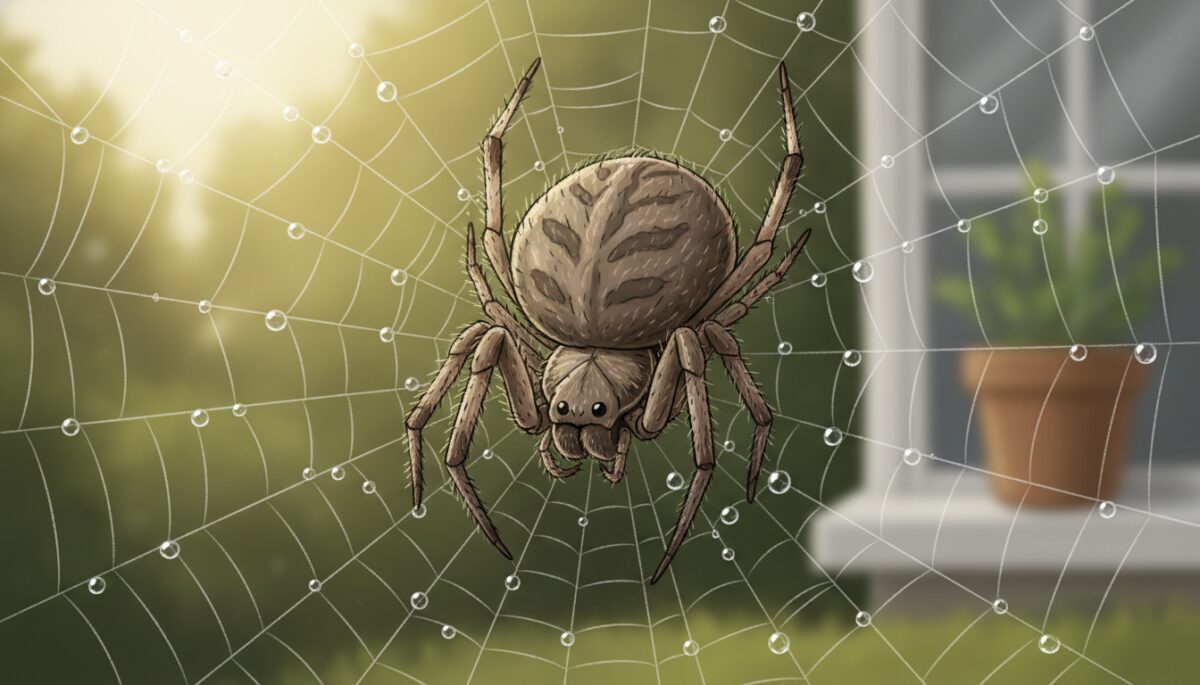
  • Unraveling the Web: Understanding Spiders in Your Home and Garden

    Unraveling the Web: Understanding Spiders in Your Home and Garden

    For many, the sight of a spider can trigger an immediate shudder. These fascinating creatures, often misunderstood, play a crucial role in our environment, acting as natural pest controllers both inside and outside our homes. While their eight legs and intricate webs might seem unnerving, understanding the true nature of spiders can transform apprehension into appreciation.

    The Essential Role of Spiders in Ecosystems

    Spiders are primarily predators, feasting on insects like flies, mosquitoes, and other small pests. This natural pest control significantly reduces the need for chemical insecticides, contributing to healthier ecosystems. Their presence is often a sign of a balanced environment.

    From patient web-builders to agile hunters, each species contributes uniquely. These beneficial arachnids maintain the delicate balance of insect populations, preventing outbreaks of agricultural pests and nuisance insects.

    Common Spiders You Might Encounter

    Most spiders in your home or garden are harmless. Common house spiders, daddy long-legs, and jumping spiders are frequent indoor guests, often found in corners or near windows. These small web-spinners are more interested in catching flies than interacting with humans.

    Outdoors, garden spiders and funnel weavers are prevalent, constructing elaborate webs. Learning to identify these common species helps alleviate fear, as the vast majority pose no threat. Medically significant spiders are rare, and bites are typically defensive and non-fatal.

    Coexisting Peacefully with Arachnids

    Managing spiders indoors is simple: regular cleaning, dusting, and sealing cracks. This reduces entry points and removes hiding spots. Rather than eradication, consider relocating unwanted eight-legged visitors outdoors where they can continue their valuable work.

    Embracing a more tolerant view leads to a harmonious living environment. Recognizing their ecological value allows us to appreciate their presence as silent guardians against pests, rather than unwelcome intruders. They are an integral part of the natural world.

    By shifting our perspective from fear to understanding, we can better appreciate the vital contributions of spiders. These remarkable insectivores are essential components of a healthy ecosystem, working tirelessly to keep our surroundings balanced. Next time you spot one, consider the beneficial service it provides, and perhaps even offer a silent thank you for its tireless work.