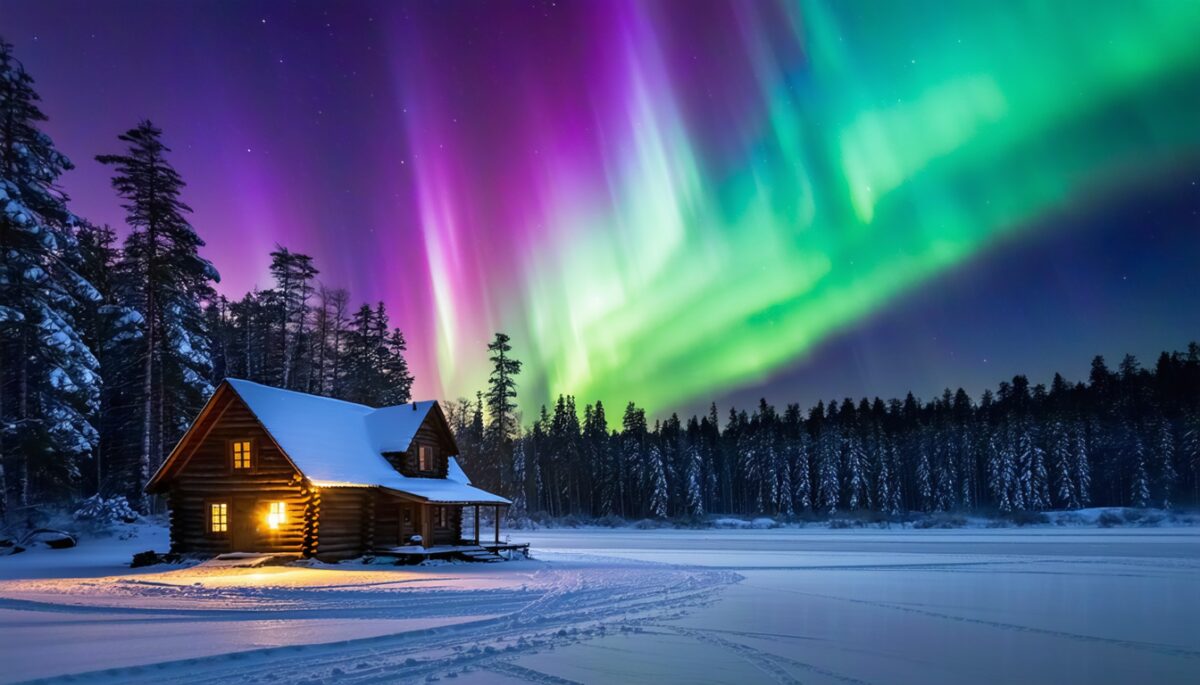
Imagine a sky ablaze with ribbons of green, pink, and violet, swirling and dancing in an ethereal spectacle. This breathtaking natural phenomenon, the aurora borealis, has captivated humanity for millennia, inspiring myths and awe across cultures. Witnessing this celestial ballet is often a bucket-list dream, and with the right preparation, it can become an unforgettable reality.
Understanding the Northern Lights Phenomenon
The aurora borealis, commonly known as the Northern Lights, is a dazzling display caused by solar particles interacting with Earth’s magnetic field and atmosphere. When electrically charged particles from the sun collide with gases like oxygen and nitrogen in our planet’s upper atmosphere, they emit light, creating the vibrant colors we see. This beautiful interaction primarily occurs in the polar regions, making the Arctic and subarctic areas prime viewing locations.
The intensity and visibility of these polar lights are directly linked to solar activity. Stronger solar flares and coronal mass ejections result in more frequent and spectacular displays. Geomagnetic storms, though sounding ominous, are actually what produce the most brilliant light shows, extending the aurora’s reach further south than usual.
Prime Locations for Aurora Borealis Viewing
To maximize your chances of seeing the aurora borealis, head north! Countries like Norway, Sweden, Finland, Iceland, Canada (Yukon, Northwest Territories), and Alaska offer some of the best vantage points. These regions fall within the ‘auroral oval,’ a band around the magnetic poles where the lights are most active.
When planning your trip, consider remote areas away from city lights, as light pollution significantly diminishes the aurora’s visibility. Dark skies are paramount for experiencing the full glory of this natural wonder. Many tour operators in these regions specialize in aurora hunting expeditions, taking you to optimal viewing spots.
Tips for an Unforgettable Aurora Experience
Timing is crucial when chasing the lights; the best months are typically from late August to early April, when the nights are long and dark. Dress warmly in layers, as you’ll likely be spending hours outdoors in cold temperatures. Patience is also a virtue, as the aurora can be elusive and unpredictable.
Utilize aurora forecast apps and websites to track solar activity and predicted visibility. A clear, moonless night offers the best conditions for viewing this incredible celestial event. Don’t forget your camera and a tripod to capture stunning photographs of the northern lights, preserving your memories of this truly magical spectacle.