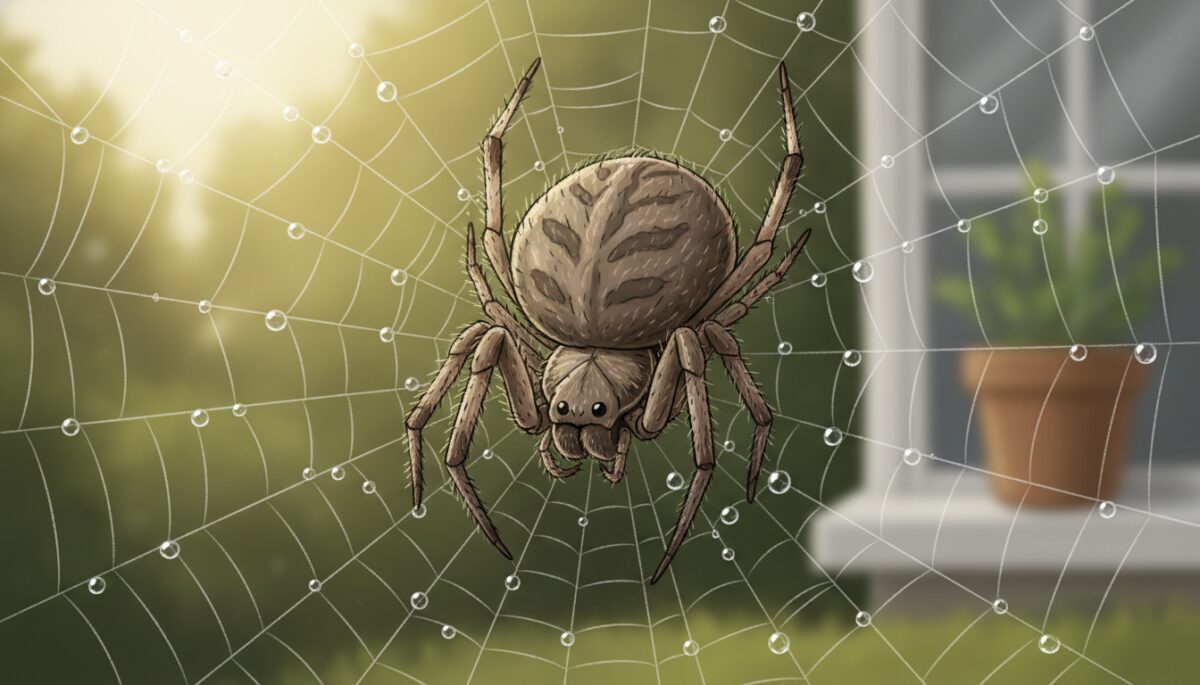
Ever stumbled upon a creature that seems to glide with an astonishing number of legs, sparking both curiosity and a touch of awe? You’ve likely encountered a cienpies, known in English as a centipede. These ancient arthropods are truly remarkable, with a biology and behavior that make them one of nature’s most efficient predators.
What Exactly Are Cienpies?
Cienpies are elongated, segmented myriapods belonging to the class Chilopoda. Characterized by having one pair of legs per body segment, their name literally translates to “a hundred feet,” though the actual number of legs varies widely depending on the species, from less than 30 to over 300. They are typically reddish-brown and can range from a few millimeters to over 30 centimeters in length.
These fascinating invertebrates are primarily nocturnal, preferring dark, damp environments. You’ll often find them under rocks, logs, leaf litter, or in soil, where they can effectively hunt their prey. Their flattened bodies allow them to navigate tight spaces with ease.
Cienpies as Efficient Predators
Despite their somewhat intimidating appearance, cienpies play a crucial role in many ecosystems as formidable predators. They possess a pair of venomous claws, called forcipules, located just behind their head. These specialized appendages are used to inject venom into their prey, quickly subduing insects, spiders, and even small vertebrates like lizards or mice.
Their diet primarily consists of other arthropods, making them natural pest controllers in gardens and forests. Watching a centipede hunt is a testament to its speed and agility, demonstrating why they are so successful in their predatory lifestyle.
Encountering Cienpies in Your Home
While primarily outdoor dwellers, it’s not uncommon for a cienpies to venture indoors, especially during cooler or drier weather when they seek moisture and shelter. Common house centipedes, with their exceptionally long legs, can move incredibly fast, often startling residents. They are generally harmless to humans, though a bite can be painful, similar to a bee sting, and should be avoided.
If you find these multi-legged visitors inside, it usually indicates the presence of other insects, which are their food source. They often prefer basements, bathrooms, and crawl spaces due to the higher humidity levels.
Managing Cienpies Around Your Property
Understanding the habits of these creatures can help manage their presence. To deter cienpies, focus on reducing moisture and eliminating their food sources. Repair leaky pipes, use dehumidifiers in damp areas, and seal cracks in foundations and around windows.
Maintaining a tidy yard by removing leaf litter and woodpiles can also reduce outdoor habitats. By taking these steps, you can create an environment less appealing to these intriguing arthropods, ensuring a comfortable coexistence while appreciating their role in the natural world.